American Academy For Yoga in Medicine

Blogs

Combating Teaching Burnout with Yoga and Meditation: A Holistic Approach to Self-Care for Educators

Introduction Teaching is a noble profession, but it’s also one that comes with its fair share of stress and emotional toll. Burnout among teachers is a growing concern, and the statistics are alarming. According to recent studies, 44% of teachers in the United States report feeling burned out often or always, a rate significantly higher than the 30% burnout rate for other occupations. The situation is equally dire in India, where 44% of teachers also report feeling burned out, according to a study by the National Council for Teacher Education (NCTE) in 2019. But there’s hope. Yoga and meditation have been scientifically proven to reduce stress and improve mental well-being. This article aims to provide a comprehensive guide on how these ancient practices can help you combat teaching burnout. The Reality of Teaching Burnout What is Teaching Burnout? Burnout is a state of emotional, physical, and mental exhaustion caused by excessive and prolonged stress. It occurs when you feel overwhelmed, emotionally drained, and unable to meet constant demands. In the context of teaching, this can manifest in various ways: The statistics paint a grim picture. In the United States alone, 44% of teachers report feeling burned out often or always. This is significantly higher than the 30% burnout rate for other occupations. Similarly, a study by the National Council for Teacher Education (NCTE) in 2019 found that 44% of teachers in India also reported feeling burned out. These numbers are not just numbers; they represent educators who are struggling to maintain their passion for teaching while grappling with overwhelming stress. The Impact on Teachers and Students Burnout doesn’t just affect teachers; it also impacts the quality of education that students receive. A stressed teacher is less likely to be effective in the classroom, which can have a ripple effect on students’ learning experiences. Here’s how: Common Causes and Urgent Statistics The common causes of teaching burnout include workload, emotional stress, and lack of support. The situation is urgent: Yoga: The Physical Aspect of Self-Care Benefits of Yoga for Teachers A study published in the Journal of Clinical Medicine found that healthcare workers who practiced yoga and meditation had lower stress levels and burnout rates. Yoga can offer similar benefits to teachers by improving physical health and providing stress relief. Simple Yoga Poses for Stress Relief How to Incorporate Yoga into Your Daily Routine Start with just 10 minutes a day and gradually increase the time as you become more comfortable with the practice. Meditation: The Mental Aspect of Self-Care Why Meditation Works A systematic review and meta-analysis of 8 studies found evidence that yoga might have short-term benefits in reducing the intensity of anxiety. Meditation can help you become more aware of your thoughts and feelings, making it easier to control your stress levels. Types of Meditation for Stress Relief A Simple Meditation Guide for Teachers Combining Yoga and Meditation for Maximum Benefits The Synergy of Physical and Mental Exercises A study published in the American Journal of Pharmaceutical Education found that a yoga and meditation intervention improved students’ stress and anxiety levels, as well as their academic performance. Combining these practices can offer a holistic approach to combating burnout. A Daily Routine for Teachers Unlock the Benefits of Yoga and Meditation with AAYM’s Upcoming Webinar If you’re looking to deepen your understanding of the scientific aspects of yoga and meditation, the American Academy for Yoga in Medicine (AAYM) is your go-to resource. AAYM is the only organization in the world that offers courses teaching Yoga as Integrative Medicine. They also host insightful webinars that delve into the medical and scientific research on the benefits of Yoga for various health conditions. Don’t Miss AAYM’s Webinar on Combating Burnout with Yoga and Meditation Mark your calendars for September 30th for a webinar that promises to be a game-changer for educators. This webinar, hosted by AAYM, will discuss and demonstrate how Yoga and meditation can be powerful tools in combating burnout, mental stress, and anxiety. Learn more and register here. For more information based on your interest, you can also go through AAYM’s blogs. Take the First Step to a Burnout-Free Teaching Career: Why Yoga and Meditation Matter Teaching is a demanding profession, but you don’t have to navigate its challenges alone. Yoga and meditation offer scientifically-backed methods to help you manage stress and avoid burnout. By incorporating these practices into your daily routine, you can improve your mental, emotional, and physical well-being. So why wait? Take the first step today towards a more sustainable and fulfilling teaching career. Your mind, body, and students will thank you.

Blogs

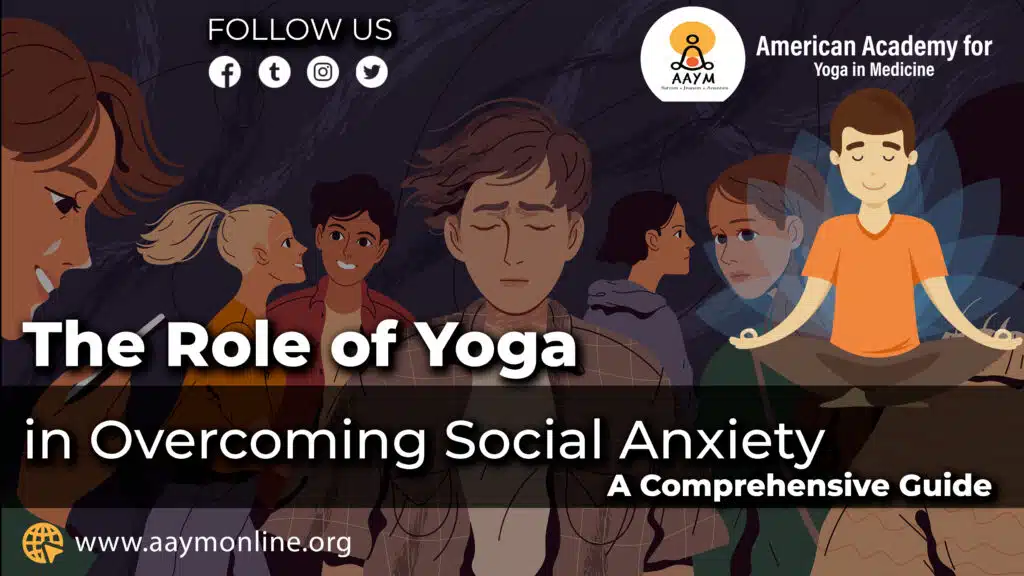
The Role of Yoga in Overcoming Social Anxiety: A Comprehensive Guide

Introduction: Yoga as a Natural Remedy for Social Anxiety Social anxiety disorder (SAD) is a pervasive mental health issue affecting about 7% of adults in the United States. It’s a condition that often starts in adolescence or early adulthood and can severely impact one’s quality of life. But what if there were a natural, holistic way to manage this anxiety? Enter yoga—a practice that has been around for thousands of years and is now being recognized for its mental health benefits. In this blog, we’ll explore the scientific evidence, delve into the types of yoga beneficial for social anxiety, and offer practical tips to incorporate this ancient practice into your modern life. The Prevalence of Social Anxiety: Why It’s a Growing Concern Social anxiety is not just a fleeting emotion; it’s a significant mental health condition. In the United States alone, about 7% of adults suffer from SAD, with women being more affected than men. The condition often starts early, either in adolescence or young adulthood, and can even begin in childhood. The primary symptom is an overwhelming fear of social situations, especially those where one might be evaluated or scrutinized by others. Physical symptoms like blushing, sweating, nausea, and dizziness often accompany this fear. Moreover, SAD frequently co-occurs with other mental health conditions like major depressive disorder, generalized anxiety disorder, and specific phobias. Understanding Social Anxiety: The Psychological Aspect Social anxiety is more than just shyness or nervousness in social settings. It’s a condition characterized by intense fear and avoidance of social situations. This fear often stems from the worry of being judged or evaluated negatively by others. The symptoms can be debilitating, affecting one’s ability to engage in everyday activities like speaking in public, eating in front of others, or even meeting new people. The physical manifestations—such as sweating, blushing, and nausea—only add to the distress. Scientific Evidence: How Yoga Helps Alleviate Social Anxiety The Mind-Body Connection in Yoga Yoga is not just about physical postures; it’s a mind-body practice that focuses on harmonizing the two. A meta-analysis published in Frontiers in Psychiatry reviewed 23 randomized controlled trials and found that yoga had moderate effects on reducing depression, anxiety, and stress among students. This is particularly relevant for those who face academic and social pressures, often a trigger for social anxiety. The Neurochemical Impact of Yoga Yoga has been found to affect neurotransmitters like serotonin, which plays a crucial role in mood regulation. A cross-sectional study published in PLOS ONE found that yoga was an effective self-management strategy to cope with stress, anxiety, and depression, especially during challenging times like the COVID-19 lockdown. Types of Yoga for Social Anxiety: Tailoring Your PracticeHatha Yoga: The Basics Hatha Yoga is often recommended for beginners because of its slower pace and easier movements. An article on Asana – International Yoga Journal suggests that yoga, including Hatha, helps ignite our parasympathetic nervous system, which relaxes and calms the body and mind. Kundalini Yoga: The Spiritual Aspect Kundalini Yoga is known for its spiritual elements, including mantra chanting and meditation. An article titled “How Yoga Can Help You Overcome Your Social Anxiety” explains that Kundalini Yoga can teach you how to change your response to challenging situations, alleviate physical stress, and help you become conscious of subconscious patterns that create anxiety. Practical Tips: Incorporating Yoga into Your Daily Routine Creating a Yoga Space at Home Having a dedicated space for yoga can indeed enhance your practice. In addition to a mat and some candles, consider adding some calming elements like essential oil diffusers or soft, instrumental music. A wall mirror can also be beneficial for checking your posture and alignment during poses. Personalize the space with items that bring you peace—perhaps some indoor plants or spiritual symbols that resonate with you. The goal is to create an environment that signals your mind to relax and focus as soon as you step into it. Joining Yoga Classes: What to Look For If you’re leaning towards a community setting, there’s more to consider than just the focus on stress reduction and relaxation techniques. Check the credentials of the yoga instructor to ensure they have experience in dealing with mental health issues like social anxiety. Look for classes that offer a balanced approach, incorporating both physical postures and mindfulness techniques. Some classes even offer a short discussion or Q&A session at the end, which can be incredibly helpful for addressing specific concerns you may have. Also, consider the class size; smaller classes often provide more personalized attention. Learn from Experts: AAYM’s Upcoming Webinar If you’re looking for expert guidance, the American Academy for Yoga in Medicine (AAYM) is a reputable organization that teaches Yoga as Integrative Medicine. They offer webinars that delve into the medical and scientific research on the benefits of Yoga for various health conditions. Don’t miss their upcoming webinar on September 30th, which will discuss and demonstrate how Yoga and meditation can help with burnout, mental stress, anxiety, and overall mental health. Conclusion: Embrace Yoga for a Socially Confident You Yoga is not just a physical exercise; it’s a lifestyle change that can significantly impact your mental well-being. The practice encourages you to confront your fears and anxieties, teaching you how to control your reactions to stressors. It’s a journey of self-discovery, helping you understand the triggers and thought patterns that fuel your social anxiety. And the beauty of it is that the yoga community is one of inclusion and acceptance, providing a safe space to work through your challenges. So take the plunge—your journey to a more socially confident you is just a yoga session away.

Blogs

Echoes of the unknown: Phenomenon of UFOs and alien life – 2

It is contended that our brush with extra-terrestrial intelligence is nothing new but adequately suppressed from the public due to unexplained reasons at the highest levels of government in many nations. When Neil Armstrong took that historic step of landing on the moon, it is reported but not confirmed that through a personal channel; he is said to have reported to his base. “Houston, we are not alone.” Armstrong and Aldrin, it’s claimed, were not alone on their mission as they evidenced other structures, including spaceships on the moon’s far side. It is difficult to assess if this was just another conspiracy theory that was spurred since future endeavors to land people on the moon were abandoned or actual happenings. It is believed that the weight of this secret was heavy. Upon returning to Earth, Neil Armstrong & Buzz Aldrin never confirmed the veracity of these claims. But nor did they deny it univocally. The rabbit hole goes deeper. In the vast expanse of space, objects move in predictable patterns bound by the laws of physics. But every once in a while, something comes along that defies our understanding and challenges our perceptions. Enter Oumuamua, a mysterious visitor from the depths of space. In 2017, the astronomical community was abuzz with the discovery of a peculiar object hurtling through our solar system at a staggering speed of 196,000 miles per hour. Named “Oumuamua” a Hawaiian term for “Scout” or “Messenger” this enigmatic entity stood out not just because of its interstellar origins, but also due to its unique characteristics. With an elongated, cigar-like shape and a tumbling motion unlike any celestial body previously observed, Oumuamua defied conventional categorization. Was it a comet? An asteroid? Or something entirely different? Its low reflectivity and non-gravitational acceleration further deepened the mystery. While most scientists leaned towards natural explanations, some of its characteristics begged an explanation. It seemed to be accelerated by some force that was not gravitational but inherent to the object. This led many astronomers to speculate: Could Oumuamua be a probe, a messenger sent by a distant extraterrestrial civilization? It has been contended that any civilization that is say hundred thousand years ahead of us could produce material with natural looks and consistency, unlike metals of fibers that our civilization would have used to construct such a vehicle! While we may not have concrete answers, Oumuamua serves as a reminder of the vastness of the universe and the mysteries it holds. It’s a testament to the fact that even with our advanced technology and understanding of space, there’s still so much we don’t know. This sentiment is further echoed by another perplexing incident that occurred in April 2016. While on its voyage to Pluto, NASA’s New Horizon spacecraft stumbled upon an enigmatic object named “Arawn”. Unlike the typical celestial bodies in its vicinity, Arawn’s composition and behaviour were anything but ordinary. New Horizons managed to capture the fact that the object is moving at a high speed of 4.713 km/s with a diameter of 145 km. This raises questions – according to calculations, when moving at such a speed, Arawn should have disintegrated long ago if it were an ordinary asteroid or a fragment of some cosmic body, but this does not happen. It was also recorded that Arawn’s glow changes, as if it was “disguised,” suddenly plunged into darkness as if noticing that it was being watched. What was even more baffling was the New Horizon’s sudden malfunction as it approached Arawn. All communication was lost, and every sensor went dark. Yet, as soon as the New Horizon moved away from Arawn’s proximity, its systems were restored, as if nothing had ever happened. This raises a tantalizing question: Is it possible that superior technological beings within Arawn did not want the earthly vehicle to detect them? Given the mysterious circumstances, it stands to reason that if such beings existed, their advanced technology would undoubtedly have the capability to scramble New Horizon’s systems, ensuring they remain undetected. Granted, the Arwan incident is not officially recorded in NASA’s official records. But that shouldn’t come as a surprise, considering the hush hush policies of the government machineries on this topic, maybe to prevent the rush of sudden panic & fear that can engulf the masses. The mysteries of our ancient past are vast and intriguing. Our epics, like the Mahabharata and Ramayana, are replete with stories of flying chariots, arrows that never miss their mark, and cataclysmic weapons of mass destruction. One can’t help but wonder: Could these tales be more than mere myths? Imagine a time much before our recorded history, when advanced civilizations thrived on Earth. These civilizations, perhaps, possessed knowledge and technology that would seem otherworldly to us today. The remnants of their cataclysmic wars, described in our epics, might still be evident in certain places, hinting at nuclear warfare. Such evidence challenges our conventional timeline of human progress. How could there be signs of nuclear warfare in an era that, according to our understanding, shouldn’t have known about such advanced weaponry? Another intriguing possibility is that Earth was once a battleground for extraterrestrial civilizations. These advanced beings, from galaxies far away, might have chosen our planet as their arena. Over time, as these tales were passed down verbally through countless generations, the narratives evolved. Advanced aircraft became flying chariots, sophisticated missile systems transformed into bows, and nuclear missiles were remembered as divine arrows like the Brahmastra. While these theories might sound like the stuff of science fiction, it’s essential to approach them with an open mind. These tales were so advanced for their time that it begs the question: Could the legends have a lot more historicity to them than modern researchers give them credit for? Could they be accounts of our ancestors’ encounters with civilizations light-years ahead of us in knowledge and technology? Enter the Kardashev scale, a theoretical framework that ranks civilizations based on their energy consumption. To give you some perspective, our current global society hasn’t even reached the first rung, sitting at a mere

Blogs

Yoga for Cognitive Health in Aging: A Scientific Guide

Discover how yoga can slow cognitive decline in aging adults. Learn from scientific research, proper yoga poses, and get practical tips for a healthier brain. Yoga and the Aging Brain—A Scientific Look at Slowing Down Cognitive Decline Introduction: Unveiling the Symbiotic Relationship Between Yoga and Cognitive Longevity As the years go by, the fear of cognitive decline looms larger. But what if the secret to mental longevity lies in ancient practices like yoga? Emerging research is painting an optimistic picture, suggesting that yoga could be a formidable ally in preserving and even enhancing brain function as we age. In this comprehensive guide, we’ll delve into the scientific underpinnings that make yoga a promising avenue for cognitive health in our later years. The Reality of Cognitive Decline: What Happens as We Age? Understanding Cognitive Decline in Aging Cognitive decline refers to the gradual loss of cognitive functions, including memory, attention, and problem-solving skills. As we age, these functions naturally decline: The Prevalence of Cognitive Decline in Seniors Cognitive decline is a common issue among seniors, affecting both the quality of life and the ability to perform daily tasks. The statistics are a wake-up call for the urgency of addressing this issue. Yoga’s Impact on the Brain: A Deep Dive into Scientific Validation The Multi-Faceted Benefits of Yoga on Cognitive Functions Beyond the findings of the 2023 BMC Geriatrics review, yoga has been shown to improve attention span and mental clarity. These are crucial factors that contribute to a better quality of life, especially for seniors who may be grappling with the early stages of cognitive decline. The Neurochemical Aspect: How Yoga Balances Your Brain The practice of yoga has been found to increase the levels of neurotransmitters like serotonin and dopamine, which play a vital role in mood regulation and cognitive function. This could explain why a 12-week Kundalini Yoga intervention had such a profound impact on executive functioning in older adults with MCI. Types of Yoga Beneficial for Cognitive Health: Tailoring Your Practice for Maximum Benefit The Versatility of Hatha Yoga: Beyond the Basics While Hatha Yoga is indeed gentle and adaptable, it’s also incredibly versatile. It can be modified to include more challenging poses and sequences that stimulate the brain, thereby offering a scalable path for cognitive improvement as you gain more experience. The Mind-Body Synergy in Mindfulness Yoga Mindfulness Yoga doesn’t just combine yoga poses with meditation; it creates a synergistic effect that amplifies the benefits of each. This was evident in a study by UCLA researchers, which found that the combined practice had a more significant impact on brain connectivity and mood than either yoga or meditation alone. The study also highlighted how this form of yoga could reduce markers of inflammation, a known contributor to cognitive decline. How to Embark on Your Yoga Journey: A Step-by-Step Guide for Cognitive Resilience A Curated List of Yoga Poses for Cognitive Vitality Starting a yoga routine can be as simple as dedicating a small corner of your home to your practice. Consider incorporating the following poses that are known for their cognitive benefits: Remember, the key is to start slow and listen to your body. Each pose can be modified to suit your comfort level. The Importance of Breathwork in Cognitive Yoga Breathing exercises, or Pranayama, are an integral part of yoga that can significantly impact your cognitive health. Techniques like ‘Anulom Vilom’ and ‘Bhramari’ not only help in stress management but also improve oxygen supply to the brain, enhancing mental clarity. Practical Tips for Making Yoga a Daily Habit: Your Blueprint for Consistency Scheduling Your Yoga Practice: Timing Matters While consistency is crucial, the timing of your yoga practice can also make a difference. Early morning or late afternoon are generally considered the best times for yoga, as these periods offer optimal body temperature and hormonal balance for a fruitful practice. Creating a Yoga Space: The Importance of Environment Having a dedicated space for yoga can significantly enhance your practice. Consider creating a calming atmosphere with soft lighting, aromatic oils, or even some soothing music. This will make your yoga time something you look forward to, thereby increasing the likelihood of consistency. Joining Online Yoga Communities: Stay Motivated and Informed Sometimes, the journey can get lonely or overwhelming. Joining online yoga communities can provide the support and motivation you need. These platforms often offer tips, tutorials, and even challenges that can keep you engaged and committed to your practice. Unlock the Benefits of Yoga and Brain Health with AAYM’s Upcoming Webinar If you’re keen on diving deeper into the science behind yoga and cognitive health, the American Academy for Yoga in Medicine (AAYM) is your go-to resource. They offer a range of courses and webinars that provide evidence-based insights into the therapeutic benefits of yoga. Their upcoming webinar on September 30th is a must-attend. It will not only deepen your understanding of how yoga and meditation can combat cognitive decline but also offer practical tips that you can implement immediately. This is a golden opportunity to interact with experts in the field and get your questions answered. For those who are hungry for more knowledge, AAYM’s blogs are a treasure trove of information. Conclusion: Embrace Yoga as a Lifelong Companion for Cognitive Wellness Yoga is more than just a physical exercise; it’s a lifestyle that promotes overall well-being, including cognitive health. The scientific community is increasingly recognizing yoga’s potential in enhancing brain functions, especially in aging adults. This isn’t merely about delaying the inevitable; it’s about enhancing the quality of your life right now. With yoga, you’re not just adding years to your life, but life to your years. So, take the plunge and make yoga a part of your daily routine. Your future self will thank you for it. Call to Action: Be the Change—Inspire Cognitive Wellness in Your Community If this article resonated with you, it’s time to take action. Start by sharing this invaluable resource with your friends and family. But don’t stop there—become an advocate for cognitive wellness in your community. Whether it’s

Blogs

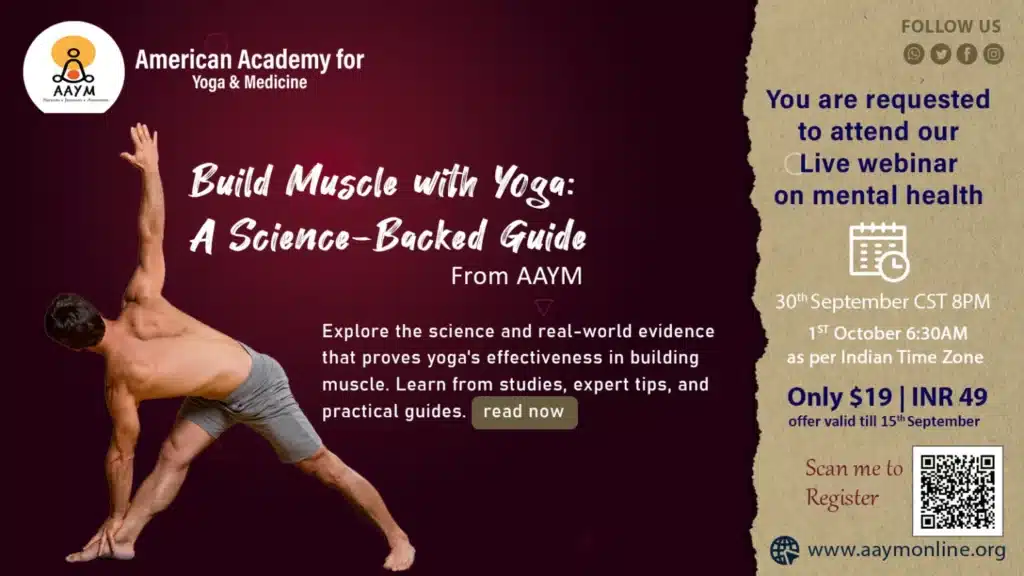
 Build Muscle with Yoga: A Science-Backed Guide From AAYM

Explore the science and real-world evidence that proves yoga’s effectiveness in building muscle. Learn from studies, expert tips, and practical guides. Does Yoga Help with Building Muscles? A Comprehensive Exploration The Muscle-Building Debate: Can Yoga Really Help? When it comes to muscle-building, traditional forms of exercise like weightlifting and resistance training often steal the spotlight. These activities are almost synonymous with bulking up and gaining muscle mass. Yoga, on the other hand, is commonly associated with flexibility, relaxation, and mental wellness, but rarely with muscle tone. This leads to a common perception that yoga is not a go-to exercise for those looking to build muscle. But is this perception accurate? Can yoga actually help build muscles? This question has intrigued fitness enthusiasts and researchers alike. Let’s understand the science and expert opinions to answer this intriguing question. The aim is to break down the stereotypes surrounding yoga and explore its potential in muscle development. Understanding Muscle Building: The Science Behind It Muscle building, scientifically known as hypertrophy, is a fascinating physiological process. It occurs when muscle fibers experience micro-tears during resistance training. These micro-tears trigger the body’s repair mechanisms, leading to muscle repair and growth. The key elements for muscle building are resistance and tension. When you lift a weight or perform a push-up, you’re creating resistance and tension in your muscles, which leads to these micro-tears. Over time, as the muscle repairs itself, it becomes larger and stronger. A 2010 study published in the European Journal of Applied Physiology emphasized the importance of progressive overload in increasing muscle strength. Progressive overload means gradually increasing the amount of resistance in your exercises, which is a cornerstone principle in muscle building. This study provides a scientific foundation that we can apply to understand how yoga might contribute to muscle growth. The Mechanics of Yoga: How It Works Yoga is not just about flexibility and relaxation; it involves a series of poses that require you to hold your body weight in various ways. These poses, or asanas, create resistance and tension similar to what you would experience in weightlifting. For instance, holding the Downward Dog pose engages your upper body muscles, much like a push-up would. In this pose, your shoulders, arms, and chest muscles work against gravity to hold your body in an inverted ‘V’ shape. This creates the necessary tension and resistance for muscle building. A 2014 study published in the Journal of Complementary Therapies of Medicine found that changing yoga variations over time and steadily increasing the difficulty can put tension on muscles and cause them to stretch, leading to muscle growth. This concept is similar to the principle of progressive overload in traditional muscle-building exercises. Therefore, yoga can be a potent tool for muscle building when performed with the right techniques and progression. Real-Life Examples: Yoga Practitioners with Muscle Tone If you’ve ever attended a yoga class or even watched videos of advanced yoga practitioners, you’ve likely noticed that many of them have well-defined muscles. They may not have the bulk of a bodybuilder, but their lean muscle tone is undeniable. Many yoga practitioners have reported significant improvements in muscle tone, attributing their sculpted physiques to their consistent yoga routines. These aren’t just isolated instances; there’s scientific evidence to back up these anecdotal accounts. A 2015 study published in the Evidence-Based Complementary and Alternative Medicine journal found that a 12-week Hatha yoga intervention improved muscular strength and endurance. Participants in the study followed a Hatha yoga routine that involved various poses targeting different muscle groups. At the end of the 12 weeks, not only did their flexibility improve, but they also experienced noticeable gains in muscle strength. This study adds a layer of scientific credibility to the real-world examples of yoga practitioners who have successfully used this ancient practice to build muscle. Scientific Studies Supporting Yoga for Muscle Building The scientific community is increasingly recognizing yoga’s muscle-building potential. A 2016 study from the International Journal of Yoga showed that yoga not only improves flexibility but also helps in building strength and muscle. Furthermore, a 2019 meta-analysis found that yoga improved lower limb strength in older adults. Yoga Poses for Muscle Building: A Practical Guide If you’re looking to build muscle through yoga, consider incorporating poses like Chaturanga, Warrior series, and Plank into your routine. These poses engage multiple muscle groups, providing the resistance needed for muscle growth. For more structured programs, the American Academy for Yoga in Medicine (AAYM) offers courses that teach yoga as integrative medicine. Tips for Incorporating Yoga into a Muscle-Building Routine  To maximize muscle-building benefits, consider blending yoga with your existing workout routine. Start with basic poses and gradually introduce more challenging asanas. Consistency is key, so make sure to practice regularly. For more tips, you can join AAYM’s webinars or go through their blogs. Conclusion: The Verdict on Yoga and Muscle Building  So, can yoga help with muscle building? The answer is a resounding yes. Not only does it offer resistance and tension similar to traditional muscle-building exercises, but it also provides a holistic approach to fitness. Whether you’re a fitness enthusiast or a yoga beginner, incorporating yoga into your routine can offer multifaceted benefits, including muscle growth.

Blogs

 YOGA TO ALLEVIATE SYMPTOMS OF MENOPAUSE

INTRODUCTION Menopause is defined as the permanent cessation of menstruation, resulting from a progressive reduction in estrogen and ovarian function levels. Women typically experience menopause after 12 consecutive months without menstruation, with the average age being 50 years. This significant transition in a woman’s life brings along a range of distressing symptoms that can last for several years. These symptoms include hot flashes, night sweats, insomnia, depression, anxiety, cognitive disturbances, and reduced quality of life. Menopause also increases cardiovascular risk and commonly leads to osteoporosis in women. While hormone replacement therapy is a traditional treatment option, it’s essential to discuss its potential side effects with a licensed practitioner. Given that menopause encompasses both physiological and psychological changes, therapies addressing both aspects are preferable. Complementary therapies like Yoga, physical exercise, acupuncture, and massage therapy have proven beneficial in improving sleep quality, mental health, and overall wellness during menopause. This blog delves into how Yoga can be a supportive tool during this pivotal phase in a woman’s life. ROLE OF YOGA IN MENOPAUSE Yoga, an ancient Indian philosophy, has long been celebrated for promoting physical, mental, and emotional wellness. The three primary practices in Yoga are physical postures (asanas), breathing exercises (pranayama), and meditation (dhyana). Given that stress often exacerbates menopausal symptoms, these mind-body practices can be invaluable in reducing stress and enhancing mood and overall well-being. Research has shown that Yoga can also diminish the severity of hot flashes and night sweats. The objective is to meld mental concentration with physical postures and exercises. For further insights, you can refer to studies on this topic here and here. ASANAS An Asana is more than just a mechanical posture. It’s a deliberate process that culminates in a balance between movement and resistance, resulting in steady and comfortable positions. Asanas offer physical activity, bolstered strength, and elevated energy levels, which can counteract post-menopausal weight gain. It’s crucial to tailor yogic exercises and poses to your fitness level. Start with basic Yoga postures to familiarize yourself with what feels best for your body. Once comfortable, you can progress to either a gentle or more rigorous routine. Some recommended asanas for alleviating menopausal symptoms include: Dandasana (Staff pose) Upavista Konasana (Seated wide-angle pose) Baddhakonasana (Fixed angle pose) Supta Baddhakonasana (Reclining fixed angle pose) Virasana (Hero pose) Supta Virasana (Reclining hero pose) For detailed techniques of these poses, refer to ‘YOGA: The Path To Holistic Health’ by B.K.S. Iyengar. Additionally, a case series discussing the impact of yoga on menopausal symptoms among women practicing Iyengar yoga can be found here. PRANAYAMA Controlled breathing exercises, or pranayama, transcend mere inhalation and exhalation cycles. They bridge our physiological and spiritual realms. Integrating pranayama into your daily routine can foster deeper relaxation, mitigate anxiety, and nurture positive thinking. Practices like Anuloma Viloma (Alternate nostril breathing), Viloma Pranayama (Interrupted breathing cycle), Diaphragmatic breathing, and Kapalabhati can be particularly beneficial for menopausal symptoms. DHYANA Meditation, or dhyana, serves as a tool to calm the mind by focusing attention on a single object, sound, concept, or experience. This practice enables us to momentarily disconnect from the daily stresses and responsibilities that often preoccupy our thoughts. Such a respite is especially vital during menopause. Techniques like Body Scan, Calm Abiding Meditation, Mantra Meditation, and White Tara Meditation can be particularly helpful. Evening meditation can notably enhance sleep quality, promoting restful nights. CONCLUSION Menopause can usher in a tumultuous period for many women. However, studies have shown that Yoga can have a positive impact on the psychophysiological shifts observed in post-menopausal women. Incorporating these exercises into your daily routine can alleviate menopausal symptoms, reduce stress, and combat depression. When combined with meditation, Yoga emerges as a promising complementary therapy to mitigate menopausal symptoms and elevate the quality of life.

Blogs

The Benefits of Yoga in Depression: A Comprehensive Guide

The Intersection of Yoga and Mental Health In an era where mental health challenges are on the rise, depression stands out as a particularly pervasive issue. It’s not just a fleeting emotion but a complex condition that affects millions globally, impacting their daily lives, relationships, and overall well-being. Amidst the myriad of treatments available, from counseling to medication, yoga emerges as a beacon of hope. Yoga, an ancient practice rooted in Indian philosophy, offers a holistic approach to well-being. Unlike treatments that focus solely on the mind or the body, yoga seeks to harmonize the two, recognizing the intricate connection between physical health and mental equilibrium. This discipline, which encompasses a range of postures, breathing exercises, and meditation techniques, has been practiced for millennia, not just as a form of physical exercise, but as a pathway to spiritual growth and mental clarity. The beauty of yoga lies in its adaptability and inclusivity. Whether you’re a seasoned practitioner or a novice, yoga offers something for everyone. For those grappling with depression, certain yoga postures can stimulate the body’s energy centers, promoting the release of endorphins, the body’s natural mood elevators. Breathing exercises, or pranayama, can help regulate the nervous system, shifting the balance from the stress-induced sympathetic mode to the calming parasympathetic mode. Meditation, a cornerstone of yoga, fosters mindfulness, allowing individuals to anchor themselves in the present moment, reducing rumination and anxiety. But the intersection of yoga and mental health goes beyond the physiological. On a deeper level, yoga fosters a sense of community. Group classes provide a space for connection, reducing feelings of isolation often associated with depression. Moreover, the philosophical teachings of yoga emphasize self-compassion, acceptance, and non-judgment, principles that can be transformative for those battling negative self-perceptions. In a world that often feels chaotic, yoga offers a sanctuary. It’s a space where individuals can reconnect with themselves, shedding the layers of societal expectations, pressures, and self-imposed limitations. For many, it’s not just a practice but a way of life, a guiding philosophy that paves the way for mental resilience, clarity, and peace. As research continues to delve into the therapeutic potential of yoga for depression, one thing becomes clear: the ancient wisdom of yoga holds profound relevance in today’s modern world. It’s a testament to the timeless nature of this practice and its unparalleled ability to heal, rejuvenate, and inspire. Understanding Depression: More Than Just Sadness Depression is a complex mental health disorder, often misunderstood as mere sadness. It encompasses a range of symptoms, from profound melancholy to feelings of worthlessness and even physical ailments. The intricate web of causes, from genetic factors to environmental triggers, makes it a global concern. The World Health Organization identifies depression as a leading cause of disability. Given this backdrop, the potential of yoga as a therapeutic tool becomes even more significant. The British Journal of Sports Medicine underscores this, highlighting the efficacy of physically active yoga in alleviating depressive symptoms. Yoga: An Ancient Practice with Modern Implications Yoga’s journey, from ancient ashrams in India to modern studios worldwide, is a testament to its enduring relevance. Beyond physical postures, yoga emphasizes a balance between body, mind, and spirit. The WebMD review underscores the tangible benefits of yoga, noting significant reductions in depressive symptoms among practitioners.  Yoga vs. Traditional Therapies: A Comparative Analysis  The realm of mental health treatment is vast and varied, with each approach offering its unique benefits. Traditional therapies, such as counseling and medication, have been the cornerstone of depression management for decades. However, complementary therapies like yoga are gaining traction, promising holistic healing. This section delves into a comparative analysis of yoga and traditional therapies, highlighting their respective advantages and potential synergies. Traditional Therapies: The Established Path Yoga: The Holistic Alternative Yoga, an ancient practice rooted in Indian philosophy, offers more than just physical postures. It’s a holistic approach that integrates body, mind, and spirit. Here’s how yoga stands out: Comparative Analysis: Synergies and Distinctions While both traditional therapies and yoga offer significant benefits, they can also complement each other: The Broader Impact: Yoga for Medical Conditions Beyond depression, yoga’s therapeutic potential extends to various medical conditions. Chronic pain, anxiety, cardiovascular ailments, and even digestive disorders—yoga offers holistic solutions. Organizations like the American Academy for Yoga in Medicine (AAYM) champion this integrative approach. Their extensive resources, from webinars to blogs, provide insights, emphasizing yoga’s unparalleled benefits. Embracing Yoga for Holistic Healing In a world where mental health challenges are rampant, yoga offers a beacon of hope. Its holistic approach, encompassing physical postures, breathwork, and meditation, promises comprehensive healing. As we navigate the complexities of modern life, integrating ancient wisdom can pave the path to true well-being.

Blogs

3 best books on Yoga to develop yogic Consciousness

Inspired to learn and practice yoga? Joining a studio or a weekend class in the nearby park, won’t help you become a Yogi. Yoga is much more than just physical exercise and breathing!!! One needs to develop the core of a yogi before you truly experience the wonders of the Yogic path. Here are the 3 best books on Yoga that will help you develop the right insight and connect with the authentic wisdom from Ancient India. The most inspiring book on Yogic Path Autobiography of a Yogi by Paramhansa Yogananda is one of the most inspiring books for anyone motivated to take the path of Yoga. The life of Yogananda has been an example of yogic discipline and a deep desire for self-realization. His story has inspired millions of seekers from around the globe into the path of self-realization. This is one of the only few books that helps anyone develop the right perspective of spirituality and develop a distortion-free spiritual path.

Blogs

Yoga for People with Disabilities: A Comprehensive Guide

Introduction: The Universality of Yoga Yoga, an ancient practice rooted in Indian philosophy, has transcended borders and cultures, becoming a global phenomenon. Its core principle of inclusivity emphasizes that yoga is for everyone, irrespective of age, gender, or physical abilities. In recent years, the transformative power of yoga in promoting holistic well-being has been recognized, making it an essential tool for enhancing physical, mental, and emotional health. As we delve deeper into the world of yoga, we’ll explore its adaptability and how it caters to the unique needs of individuals with disabilities. Understanding the Needs of People with Disabilities The spectrum of disabilities is vast, encompassing physical, neurological, and learning disabilities. Each individual faces unique challenges, often making access to traditional fitness and wellness practices a hurdle. However, yoga, with its adaptable nature, offers a beacon of hope. A study from the Journal of Intellectual Disability Research underscores the efficacy of yoga as a therapeutic tool, especially for mentally retarded children. Beyond this, the societal understanding and misconceptions surrounding disabilities will also be discussed, shedding light on the broader context. Yoga for Adults with Learning Disabilities Adults with learning disabilities often grapple with cognitive and emotional challenges. Yoga, with its blend of postures, breathing exercises, and meditation, can be a game-changer. A noteworthy initiative highlighted in Learning Disability Practice demonstrates the potential of a person-centered approach. Through this, individuals with learning disabilities can enjoy the myriad benefits of yoga, both in face-to-face classes and online platforms. Additionally, the societal implications and the role of educators in promoting yoga for learning disabilities will be explored. Adaptive Yoga: Modifying Poses for Physical Disabilities Physical disabilities can range from mobility issues to chronic pain. Adaptive yoga, which modifies traditional poses to cater to individual needs, has emerged as a solution. Props, assistive devices, and personalized guidance ensure that yoga remains accessible and beneficial. Yoga International emphasizes the importance of inclusivity within the yoga community. By listening to and learning from people with disabilities, the yoga community can evolve, ensuring that everyone reaps the benefits of this ancient practice. The section will also delve into the training of instructors specializing in adaptive yoga and the importance of creating a safe space for practice. Yoga Poses for Neurological Disorders Neurological disorders, such as Parkinson’s or Multiple Sclerosis, present unique challenges. However, yoga, with its emphasis on balance, flexibility, and mindfulness, can be a therapeutic ally. Specific poses, combined with breathing exercises, can aid in symptom management, enhancing mobility and overall well-being. The integration of meditation further helps in cultivating mental resilience, crucial for those battling neurological conditions. The broader implications of yoga for neurological health, including its role in cognitive function and emotional regulation, will also be discussed. Finding the Right Class: Yoga for Disabled Near Me  Finding the right yoga class, especially one tailored for disabilities, can be daunting. However, organizations like the American Academy for Yoga in Medicine (AAYM) are pioneering the movement of inclusive yoga. AAYM, with its extensive resources, webinars, and blogs, offers insights into the scientific and practical aspects of yoga, ensuring that everyone, regardless of their physical or mental state, can access the healing power of yoga. The section will also provide guidance on evaluating the suitability of a class and the importance of community support. The Broader Impact: Yoga for Medical Conditions Beyond disabilities, yoga has a profound impact on various medical conditions. From managing chronic pain to alleviating mental health issues, yoga’s holistic approach promises comprehensive healing. The AAYM stands testament to this, emphasizing yoga as integrative medicine. Their extensive research and courses highlight the myriad ways yoga can transform lives, making it an indispensable tool in modern healthcare. The section will also touch upon the global movement towards holistic health and the integration of traditional practices in modern medicine. Conclusion: Embracing Inclusivity in Yoga Inclusivity in yoga isn’t just a noble ideal; it’s a necessity. As the world recognizes the unparalleled benefits of yoga, it’s crucial to ensure that everyone, irrespective of their challenges, can access it. By adapting, learning, and evolving, the yoga community can truly embody its core principle of universality, making the world a healthier, more harmonious place. The conclusion will also emphasize the collective responsibility of society in promoting and supporting inclusive practices.

Blogs

Empowering Students: The Role of Yoga and Meditation in Academic Success

Introduction: The Modern Academic Landscape The academic world has evolved dramatically over the past few decades. With the advent of technology, globalization, and increased competition, students today face a myriad of challenges. These challenges, while fostering growth, often lead to stress, anxiety, and other mental health issues. Amidst this backdrop, the ancient practices of yoga and meditation have emerged as potential saviors, offering students tools to navigate their academic journey with resilience and balance. The introduction of these practices in the West, their growing popularity among all age groups, and the increasing number of institutions incorporating them into their curricula underscore their significance. Understanding the Stressors of Student Life The life of a modern student is not just about attending lectures and taking exams. It’s a whirlwind of activities, from extracurriculars, internships, part-time jobs, to maintaining a social life and planning for the future. These multifaceted responsibilities, while enriching, can also be overwhelming. Academic Pressures From the moment students begin their educational journey, they are met with expectations. Parents, teachers, and even peers set benchmarks, often pushing students to strive for excellence. The weight of these expectations can be heavy. As they progress, the academic rigors intensify. Projects, assignments, group tasks, and exams become a constant part of their daily routine. The fear of underperforming or not meeting the set standards can lead to sleepless nights and anxiety. Extracurricular and Work Commitments While academics are paramount, students today are also expected to be all-rounders. Colleges and employers look for individuals who have diverse skills. This pushes students to take up extracurricular activities, be it sports, arts, or any other field. Balancing these with their studies becomes a tightrope walk. Furthermore, the rising costs of education compel many to take up part-time jobs. These jobs, while providing financial relief, add another layer of responsibility, often leading to long, exhausting days. Social and Personal Challenges The college years are formative. It’s a phase where students form lifelong friendships, explore their identity, and make pivotal life decisions. The desire to fit in, the fear of missing out, and the challenges of building and maintaining relationships add to their stress. In the age of social media, these pressures are amplified. Every moment is under scrutiny, and the constant comparison with peers can lead to feelings of inadequacy. Seeking Solutions and the Role of Yoga and Meditation With mounting pressures, it’s imperative for students to find avenues for relief and relaxation. This is where ancient practices like yoga and meditation come into the picture. They offer a refuge from the chaos, a place of solace. The review on the role of yoga and meditation underscores their potential in alleviating the negative emotions rampant among students. By practicing mindfulness, students can gain better control over their thoughts, emotions, and reactions, leading to a more balanced and fulfilling academic journey. Yoga: Beyond Physical Flexibility Yoga is not just about twisting the body into complex postures. It’s a holistic practice that integrates the mind, body, and spirit. For students, yoga offers a sanctuary from the relentless pace of academic life. The physical postures or asanas help combat the sedentary lifestyle, while the breathing exercises or pranayama offer mental clarity. But how does this translate to academic success? The article from Greater Good Magazine provides insights into how yoga can enhance attention, memory, and even improve grades. This section will further delve into the history of yoga, its various forms, and how each can benefit students differently. Meditation: Cultivating a Focused Mind In a world riddled with distractions, maintaining focus is a challenge for many students. Meditation, with its emphasis on mindfulness and awareness, offers a solution. It teaches students to anchor their attention, filter out distractions, and approach tasks with a calm mind. The benefits extend beyond academics, fostering emotional intelligence, empathy, and resilience. The study on goal meditation underscores the profound impact of meditation on self-efficacy and overall well-being. We’ll also explore the different forms of meditation, their origins, and how they can be incorporated into a student’s daily routine. The Science Behind Yoga and Meditation in Academia While anecdotal evidence abounds, it’s the scientific research that lends credibility to the benefits of yoga and meditation in academia. Numerous studies have delved into this, exploring the physiological, psychological, and cognitive effects of these practices on students. The study exploring the impact of yoga and meditation and the research on yoga’s role in enhancing well-being provide compelling evidence of their positive impact. This section will further delve into the methodologies of these studies, the global perspective on this research, and the potential future studies in this area. Implementing Yoga and Meditation in Educational Institutions The integration of yoga and meditation into the academic setting isn’t merely a wellness initiative; it’s a paradigm shift in how student well-being is perceived and prioritized. The American Academy for Yoga in Medicine (AAYM) is pioneering this movement, advocating for the holistic integration of these practices across diverse educational landscapes. Their extensive resources, including webinars and blogs, furnish invaluable insights into both the scientific and pragmatic facets of yoga and meditation. For those interested in the specific benefits of yoga for children, AAYM offers a comprehensive article detailing how yoga can help children manage stress and enhance self-regulation. Embracing Mindfulness: The Future of Holistic Education As the educational landscape evolves, there’s a palpable shift towards holistic development. The focus is not just on grades but on producing well-rounded individuals equipped to navigate the complexities of the modern world. Yoga and meditation, with their myriad benefits, are at the forefront of this revolution, promising a future where academic success is intertwined with mental, emotional, and physical well-being. This concluding section will explore the future implications of this shift, the potential global movements towards holistic education, and the role of educators, institutions, and policymakers in this evolution.

Scroll to Top